Source Spunlace Eco Friendly Facemask Sheet for Skincare
Compare 13 spunlace eco friendly facemask sheet options from Chinese manufacturers. Evaluate materials like lyocell and bamboo fiber, along with features such as breathability and antibacterial properties, to find suitable facial mask sheets for your brand; compare the available evidence and request quotations based on your requirements.
Key considerations
Products List


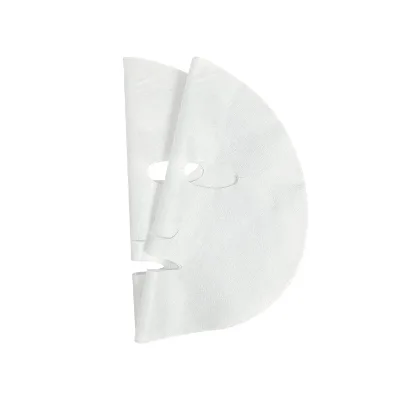


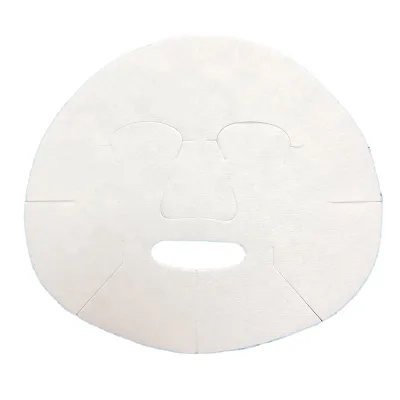

Comprehensive Sourcing Guide
Spunlace Eco Friendly Facemask Sheet Sourcing Guide
Buyers must first distinguish between generic non-woven options and specialized spunlace variants that offer superior softness and eco-friendly credentials. The observed market data indicates a strong presence of 100% Lyocell and bamboo fiber materials, which align with sustainability goals while maintaining the structural integrity required for facial applications. Sourcing decisions should prioritize suppliers who explicitly list spunlace technology as their primary production method, ensuring the fabric possesses the necessary absorbency and gentle texture for sensitive skin.
Procurement teams should also scrutinize the specific product models listed, such as the S-wave pattern or temperature-sensitive variants, to ensure they match the intended cosmetic formulation. The availability of customization options allows for tailored sheet sizes and patterns, but buyers must verify that these customizations do not compromise the eco-friendly nature of the raw materials. Understanding the distinction between domestic and export-grade materials is critical, as the latter often implies stricter quality controls suitable for international distribution channels.
Product Scope and Observed Listing Signals
The current market listings reveal a diverse range of applications, from disposable supplies to specialized facial mask sheets with features like anti-wrinkle and pigmentation correction. Buyers should note that while many products claim eco-friendly status, the specific material composition varies significantly between spunlace fiber, bamboo fiber, and white tea fiber options. It is essential to confirm that the "eco-friendly" label corresponds to the actual raw material source, such as lyocell or bamboo, rather than just a marketing claim on a standard non-woven sheet.
Observations of product dimensions and packing formats, such as the 21.5x23.5cm standard or 100PCS/Bag packaging, provide a baseline for logistical planning and inventory management. However, the width specifications often appear as customerized or ranging from 1.50 to 1.80 meters, indicating that final sheet dimensions may depend on the specific cutting process chosen by the manufacturer. Buyers must clarify whether the listed dimensions refer to the raw roll width or the final cut sheet size to avoid discrepancies in production planning and cost estimation.
Technical Specifications to Verify
Technical verification begins with the GSM weight range, which spans from 15 to 260GSM across different product listings, directly influencing the sheet's durability and liquid-holding capacity. Buyers should request specific GSM data for their target application, as a lightweight sheet may be insufficient for heavy serum formulations, while an overly heavy sheet could increase shipping costs unnecessarily. The pattern finishing options, including flat, apertured, embossed, or S-pattern designs, also affect the surface area available for serum absorption and the overall user experience.
Material grade and origin are equally critical technical parameters that define the final product quality. The supply chain data shows origins in Hangzhou, Zhejiang, and Shanghai, with materials ranging from domestic grade to export standard. Procurement teams must verify that the spunlace technology used is consistent with the claimed material properties, such as the breathability and anti-bacterial features observed in the listings. Ensuring the raw material is truly spunlace fiber, rather than a blended alternative, is a key step in maintaining the product's performance claims.
Compliance and Safety Documentation
Safety documentation is a primary requirement for facial mask sheets, with MSDS certification appearing as a verified attribute in several product listings. Buyers should mandate that all suppliers provide up-to-date Material Safety Data Sheets for every batch, ensuring that the chemical composition of the fibers and any added treatments meets international safety standards. While specific ISO standards like ISO 22716 are mentioned in background knowledge, the immediate focus must be on the tangible MSDS documents that confirm the safety of the raw materials and the final product for human contact.
Beyond chemical safety, buyers must verify the manufacturing environment and hygiene protocols, especially for products intended for sensitive skin applications. The presence of features like "anti-bacterial" and "breathable" suggests that the production process includes specific treatments or fiber selections that require validation. Procurement teams should request test reports or third-party verification for these functional claims to ensure they are not merely marketing terms but are backed by actual performance data and safety compliance.
Cost Drivers and Commercial Terms
Cost structures in this sector are heavily influenced by the raw material type, with 100% Lyocell and bamboo fiber typically commanding higher prices than standard non-woven alternatives. The observed MOQ range of 1 to 50,000 pieces indicates significant flexibility, but buyers should be aware that lower MOQs often come with a premium per unit cost. Understanding the relationship between material grade, customization complexity, and order volume is essential for negotiating favorable commercial terms that align with the buyer's budget and volume requirements.
Pricing and payment terms are further affected by the specific product model and packing requirements, such as the 100PCS/Bag format or custom carton packaging. Buyers must clarify whether the quoted price includes the cost of custom patterns, such as the S-wave or invisible designs, as these finishing processes can add to the overall production cost. Additionally, the supply type, whether OEM or ODM, will impact the pricing structure, with custom development often requiring higher initial investments compared to standard off-the-shelf products.
Supplier Qualification and Quality Control
Supplier qualification should focus on verifying the consistency of their spunlace production capabilities and their ability to maintain material integrity across large batches. The presence of multiple origins, including Hangzhou and Shanghai, suggests a competitive market, but buyers must assess each supplier's specific track record with eco-friendly materials like lyocell and bamboo fiber. Quality control protocols should include regular sampling and testing of the raw materials to ensure they meet the specified grade, whether domestic or export standard, before mass production begins.
Quality assurance processes must also address the variability in product features, such as the anti-wrinkle or firming claims, which require rigorous testing to validate. Buyers should implement a strict incoming quality control plan that checks for defects in the sheet pattern, weight consistency, and packaging integrity. Establishing clear communication channels with the supplier regarding any deviations from the agreed specifications is crucial for maintaining product quality and ensuring that the final delivered goods meet the buyer's expectations.
Long-Term Procurement Checks
Long-term procurement success relies on establishing a robust framework for continuous supplier performance monitoring and material consistency checks. Buyers should schedule regular audits to verify that the supplier continues to use the specified spunlace technology and eco-friendly materials without substitution. This proactive approach helps mitigate risks associated with supply chain disruptions and ensures that the product quality remains stable over time, protecting the brand's reputation in the competitive facial mask market.
Strategic partnerships with suppliers who offer flexible customization and reliable lead times are essential for adapting to changing market demands. Buyers should maintain open dialogue regarding future product developments, such as new patterns or enhanced features, to stay ahead of competitors. By focusing on a collaborative relationship rather than transactional interactions, procurement teams can secure a steady supply of high-quality, eco-friendly spunlace facemask sheets that meet evolving consumer expectations and regulatory requirements.
FAQs
What materials are used for spunlace eco friendly facemask sheets?
These sheets are crafted from sustainable materials such as 100% Lyocell, bamboo fiber, and spunlace fiber. The production utilizes a spunlace technic to ensure the material is breathable and eco-friendly. This approach supports the creation of high-quality facial mask sheets that meet modern environmental standards while providing effective skincare benefits for users.
Can these facemask sheets be customized for specific brands?
Yes, customization is available for various brand requirements. Suppliers offer OEM and ODM supply types, allowing for tailored solutions. The width can be customized to meet specific needs, and the sheets are often produced in cartons or bags. This flexibility ensures that brands can align the product with their unique packaging and sizing preferences.
What certifications do these eco-friendly facemask sheets hold?
The products typically hold MSDS certification, ensuring safety and compliance with material standards. While some background standards like ISO 22716 exist, the primary documented certification is MSDS. This confirms the material safety for cosmetic applications. Buyers should verify specific compliance needs with suppliers to ensure alignment with regional regulatory requirements for facial mask sheet products.
What are the standard specifications for these facial mask sheets?
Standard specifications include dimensions like 21.5x23.5cm or 67x43x47mm, with weights ranging from 15 to 260 GSM. The sheets feature patterns such as flat, S-wave, or invisible styles. They are designed for facial mask applications and often come in white color. These specifications ensure versatility for different skincare formulations and user comfort during application.
Where are these spunlace facemask sheets manufactured?
Manufacturing locations include Hangzhou, Zhejiang, and Shanghai in China. These regions are known for producing high-quality non-woven and plant fiber products. The origin ensures access to established supply chains for raw materials like bamboo fiber and lyocell. Buyers can source directly from these areas to benefit from efficient logistics and established manufacturing capabilities for facial mask sheets.
What features do these eco-friendly facemask sheets offer?
Key features include being breathable, anti-bacterial, and eco-friendly. They also offer benefits like moisturizing, firming, and whitening. The sheets are designed to be gentle on the skin while delivering active ingredients effectively. These attributes make them suitable for various skincare routines, providing a comfortable and effective experience for users seeking natural and sustainable facial care solutions.